Satish Shah - A Presence That Could Light Up Any Frame Satish Shah's passing in October 2025 felt like a quiet curtain falling on one of the most effortless performers Indian entertainment has ever known. He was the kind of actor who did not need theatrics or exaggeration to make a moment memorable. His gift lay in his natural timing, his warmth, and his ability to shape characters so real that they became part of the audience's everyday conversations. From the early stages of his career, Satish Shah proved that versatility was his strength. Whether it was the refined humour of Sarabhai vs Sarabhai, where he immortalised the role of the lovable, clueless, and completely endearing Indravadan Sarabhai, or his earlier comedic appearances that added zest to countless films, his work always carried an unmistakable charm. He had a way of delivering a line that stayed with you long after the scene ended. But Satish Shah was not only a comic talent. He understood rhythm, silence, and emotional texture with the intuition of a seasoned artist. His supporting roles in films through the 80s, 90s, and 2000s showcased his ability to blend seamlessly into any narrative, whether dramatic, romantic, or satirical. Many of his characters were small on paper but became unforgettable because of the genuine sincerity he brought to them. More than an actor, Satish Shah was a presence - reassuring, familiar, and loved across generations. His colleagues admired him for his humility, and audiences adored him for the joy he brought into their homes. He may have left the stage, but the laughter he created, the characters he shaped, and the comfort of his screen presence will live on. Satish Shah may be gone, but he remains alive in every smile he once inspired.
Pankaj Dheer - An Actor Who Carried Dignity in Every Role Pankaj Dheer's passing in October 2025 marked the loss of an artist whose presence shaped some of the most iconic moments in Indian television and cinema. He was not merely an actor; he was a storyteller in the purest sense, someone who understood the weight of a character and carried it with grace. For millions, his name instantly brings to mind one of the most unforgettable portrayals in Indian history - that of Karna in Mahabharat. It was a role that demanded depth, restraint, honour, and emotional complexity, and Pankaj Dheer delivered it with unmatched sincerity. His portrayal of Karna was not just admired; it was felt. Generations grew up remembering the dignity in his voice, the quiet pain in his expressions, and the nobility he brought to a character who lived in conflict. That performance alone secured his place in Indian cultural memory, but Pankaj Dheer was far greater than a single role. Over the decades, he worked in numerous films and television shows, proving his versatility across genres. Whether he played a disciplined officer, a caring father, a mythological figure, or a strong supporting character, he always brought a natural authority to the screen. His colleagues often spoke of his discipline and gentleness - traits that reflected in the composed manner he carried both on and off screen. Beyond his own career, Pankaj Dheer also contributed to the industry by nurturing new talent, including his son Nikitin Dheer, extending his legacy far beyond his own filmography. His journey, built on dedication and craft, remains a reminder that true artistry does not need noise; it simply needs honesty. Though he has departed from this world, the memories he created, especially through Mahabharat, will continue to echo in the hearts of all who admired him. Pankaj Dheer will always remain a symbol of timeless dignity. Wasiq Khan - The Visionary Who Built Worlds on Screen Wasiq Khan's passing in May 2025 left a deep silence in an industry that often forgets how essential its behind the scenes creators truly are. He was one of those rare production designers whose work did not just decorate a film; it defined its emotional language. Audiences may not always know the names of art directors, but they have certainly felt Wasiq Khan's presence in some of the most memorable cinematic environments of the past two decades. His approach to design was almost poetic. He believed that a film's world should breathe just like its characters do, and he crafted spaces that felt lived in, textured, and real. Whether he was building the gritty landscape of a bustling town, the intimate corners of a humble home, or the moody settings of a tense narrative, Wasiq infused each frame with storytelling. His sets never shouted for attention; they quietly deepened the audience's connection to the scene. Colleagues often spoke about his meticulous nature, how he would linger on the smallest detail until it felt authentic. He had an instinct for colours, shadows, and architectural balance that made his work stand out without ever overpowering the actors. His contribution to modern Indian cinema was profound because he elevated production design from a technical requirement to an emotional force. Wasiq Khan's talent influenced an entire generation of designers who saw in him a mentor and a guide. His passing is not just a professional loss but an artistic one, a reminder that cinema's magic is woven by many hands, some of whom remain behind the camera, quietly shaping dreams. Though he is no longer here, every film he touched continues to speak his language. Wasiq Khan lives on in the stories he built, the worlds he imagined, and the emotions he helped audiences feel.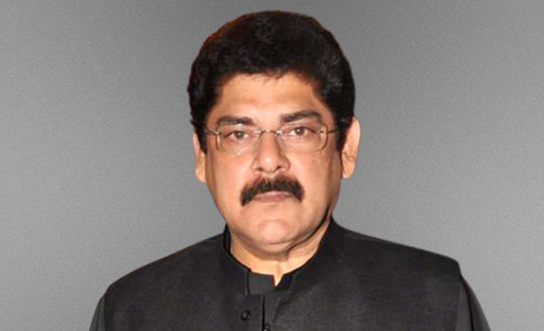
Positive Thoughts & Views