Indian cinema did not begin with dialogues, background scores, or grand musical numbers. It began with silence — a silence so powerful, it spoke louder than words. The First Mute Film: Raja Harishchandra (1913) In 1913, Dadasaheb Phalke unveiled Raja Harishchandra, India’s first full-length silent (or “muteâ€) film. There were no spoken lines, only intertitles to guide the audience through the story of a king famed for his truthfulness and sacrifice. Phalke’s cast was entirely male, as women of the time considered acting inappropriate — so men played female roles too. The film ran for just under 50 minutes, yet it left an impact that would ripple across decades. Without dialogue, the story leaned entirely on exaggerated expressions, gestures, and carefully composed frames. Musicians would often perform live in theatres during screenings, filling the silence with emotion. It was cinema in its purest, most visual form — storytelling stripped to the bone.
The First Spoken Film: Alam Ara (1931) Eighteen years later, silence gave way to sound. In 1931, Ardeshir Irani directed Alam Ara, India’s first talkie (spoken film). Audiences were stunned to hear voices emerging from the screen for the very first time. The film had seven songs, marking the beginning of Bollywood’s deep love affair with music. The famous first spoken line — “Arre Deva!†— was a simple exclamation, but to audiences of the time, it was nothing short of magic. People queued for hours outside Mumbai’s Majestic Cinema to witness this new marvel, and police had to control the crowds. Sound changed everything. It transformed how stories were told, opening doors to musicals, elaborate dialogues, and character-driven plots. The industry rapidly adapted, and within a few years, silent films faded away almost entirely. Why These Two Milestones Matter Between the silent grace of Raja Harishchandra and the vibrant voice of Alam Ara lies the most dramatic leap in Indian cinema history. Together, they represent the birth and rebirth of storytelling on screen — first through pure imagery, then through the blend of image and sound. Today’s films, with their Dolby Atmos soundtracks and CGI landscapes, may seem worlds apart from Phalke’s and Irani’s creations. Yet, every frame we watch owes its existence to those two milestones — one silent, one spoken, both unforgettable.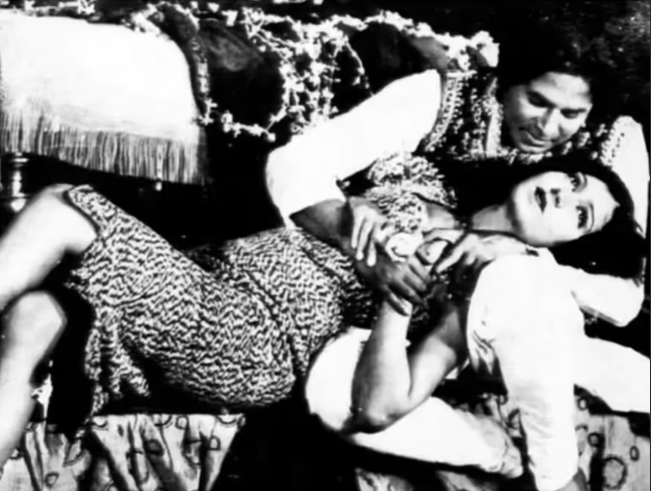
Positive Thoughts & Views