
Maidaan doesn’t shout. It doesn’t beg for attention. It doesn’t even try to be trendy. And that’s exactly what makes it so powerful. This is not your average sports drama. It’s the kind of film that builds slowly, breathes deeply, and hits you when you least expect it. Set in the golden but largely overlooked era of Indian football during the 1950s and 60s, the film tells the story of Syed Abdul Rahim, a coach whose name most people barely recognize, yet whose influence shaped Indian football in ways we’ve never truly acknowledged. Ajay Devgn plays Rahim with quiet intensity. There are no over-the-top monologues or chest-thumping heroics. Just a man, his unwavering belief in a team, and a deep, personal love for the game.
There’s something deeply emotional about watching a team of underdogs—real underdogs, not the glossy kind—push against colonial hangovers, bureaucratic red tape, and their own limitations to chase something that felt out of reach. And the way Maidaan handles this story? Surprisingly restrained. No background score screaming patriotism in every scene. No slow-motion kicks meant to draw applause. Just grit. And that silent fire. Visually, it’s a treat. The football sequences are choreographed with such realism that you don’t feel like you’re watching actors—you feel like you’re watching history unfold. The detailing, the uniforms, the grainy texture of mid-century India—it all pulls you in without overwhelming the senses. What really stays with you, though, is the quiet sadness. That feeling that this brilliant chapter of Indian sports history was allowed to gather dust for decades. The film doesn’t scream injustice. It just gently reminds you: we forgot someone who should’ve been remembered. In a world full of fast edits and louder-than-life storytelling, Maidaan is a whisper that echoes long after the credits roll. It’s more than a biopic. It’s a belated salute.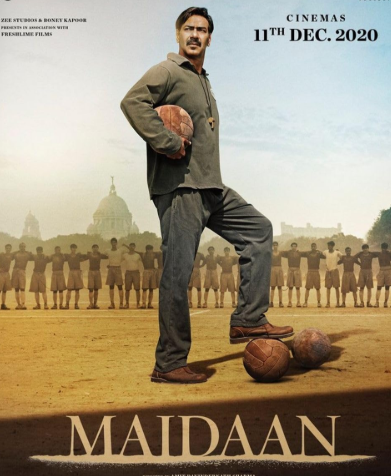
Positive Thoughts & Views